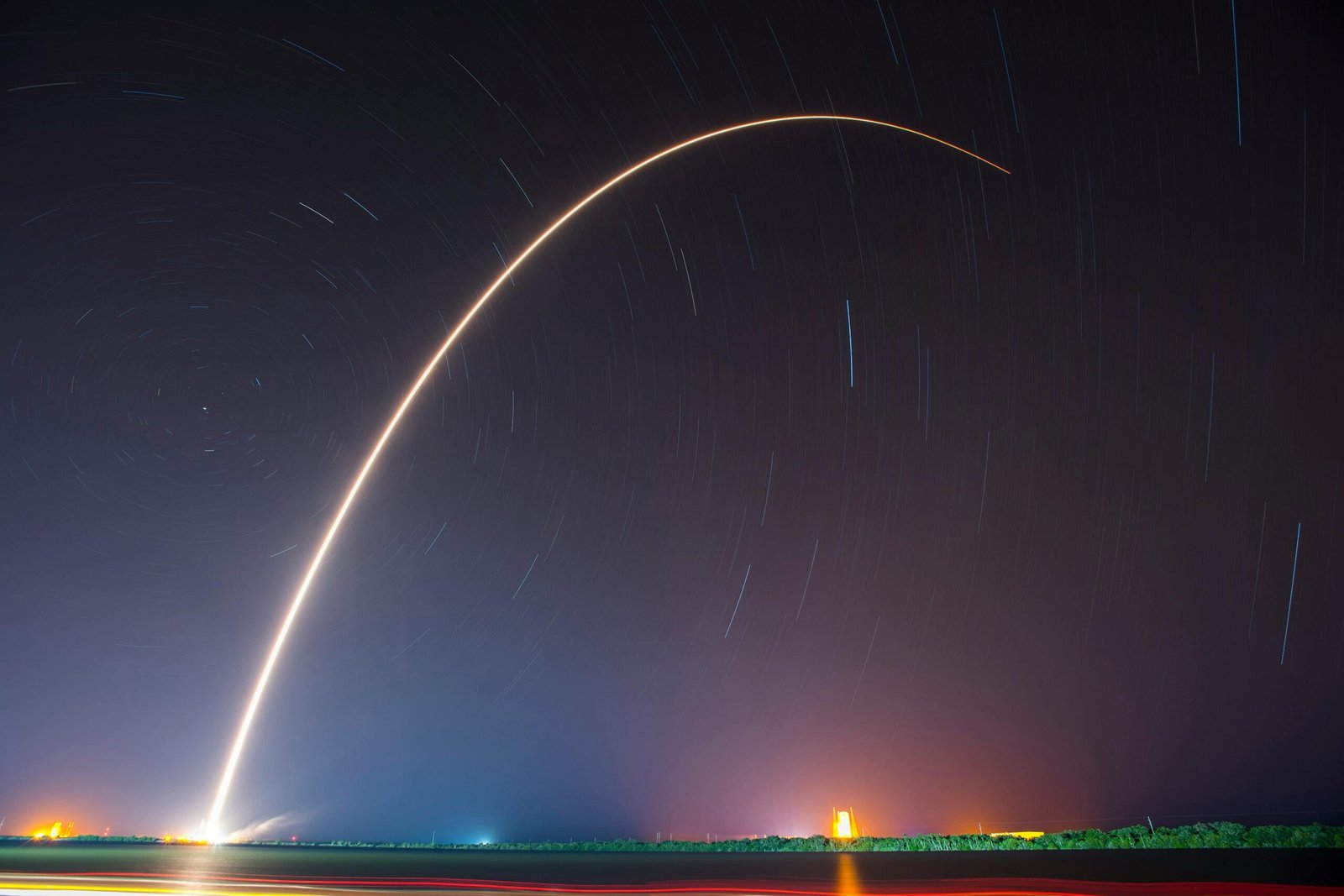
The question of “how far will a bullet travel” is a common one, yet it has no simple answer. The distance a projectile covers depends on a complex mix of factors. Consequently, understanding these variables is key to grasping the full picture. This guide will break down the science behind a bullet’s journey from the barrel to its final resting place.
Key Factors Influencing a Bullet’s Travel Distance
Several elements work together to determine a bullet’s maximum range. In fact, even a small change in one can significantly alter the outcome. Let’s explore the most important ones.
The Bullet and Caliber
First and foremost, the design of the bullet itself plays a huge role. Heavier, more aerodynamic bullets will generally travel farther than lighter, less stable ones. For example, a pointed rifle bullet is designed to cut through the air efficiently, thus retaining its velocity for longer.
The Angle of Fire
Physics tells us that the optimal angle for maximum distance is typically around 30-35 degrees, not 45 degrees as many believe. This is because air resistance becomes a major factor. A bullet fired straight up will come back down, while one fired parallel to the ground will be pulled down by gravity relatively quickly.
The Firearm
The type of gun is also critical. A rifle, for instance, has a longer barrel than a handgun. This longer barrel allows the expanding gases to push the bullet for a longer time, resulting in a much higher initial velocity. Therefore, a rifle bullet will almost always travel farther than a handgun bullet of the same caliber.
Environmental Conditions
Finally, you cannot ignore the environment. Several conditions affect a bullet’s path:
- Air Resistance: Dense air at sea level slows a bullet down more than thin air at high altitudes.
- Wind: A strong crosswind can push a bullet off course, while a tailwind can help it travel slightly farther.
- Temperature: Air density changes with temperature, which in turn affects the projectile’s flight.
How Far Will a Bullet Travel: Examples by Caliber
To give you a clearer idea, here are some approximate maximum ranges for common ammunition types under ideal conditions. However, remember these are not practical shooting distances.
- .22 LR (Pistol/Rifle): This common small-caliber round can travel up to 1.5 miles (about 2.4 km).
- 9mm Luger (Pistol): A popular handgun round, the 9mm can also reach a maximum distance of about 1.5 miles (2.4 km).
- .308 Winchester (Rifle): A powerful rifle cartridge can travel much farther. For instance, the .308 can exceed 3 miles (almost 5 km).
These distances show the incredible potential energy these small projectiles carry.
Understanding Maximum Range vs. Effective Range
It is crucial to distinguish between a bullet’s maximum range and its effective range. They are very different concepts.
Maximum Range
This is the absolute farthest distance the bullet can physically travel before it hits the ground. At this point, the bullet has lost most of its energy and accuracy. It is essentially just a falling object, but it can still be very dangerous.
Effective Range
On the other hand, effective range is the maximum distance at which a shooter can reasonably expect to hit a target with accuracy. Moreover, it is the distance at which the bullet still has enough energy to serve its intended purpose. This distance is significantly shorter than the maximum range.
Safety First: The Dangers of Stray Bullets
The main takeaway here is safety. Because a bullet can travel for miles, every shooter has a profound responsibility. The cardinal rule of firearm safety is to always know your target and what lies beyond it.
A bullet fired into the air doesn’t just disappear. It will eventually come back down with enough force to cause serious injury or death. Therefore, you must always have a safe backstop, like a hill or a professionally designed berm at a shooting range, to stop the bullet completely.
In conclusion, while the physics are fascinating, the practical implications for safety are paramount. Always handle firearms responsibly.