When planning a trip, safety is a top concern for everyone. Consequently, you might ask, what is the safest way to travel? The answer can be surprising. While media coverage often highlights dramatic incidents, the statistical reality is quite different. This guide explores the data behind different modes of transport to give you a clear answer.
Ultimately, understanding the risks helps you make informed decisions. We will look at planes, trains, and automobiles to see how they stack up against each other. Therefore, you can travel with greater peace of mind.
Comparing Travel Modes: A Look at the Statistics
To determine the safest travel method, experts often look at fatalities per billion passenger-miles. This metric provides a fair comparison between different modes. In short, the numbers tell a compelling story.
Air Travel: The Statistical Champion
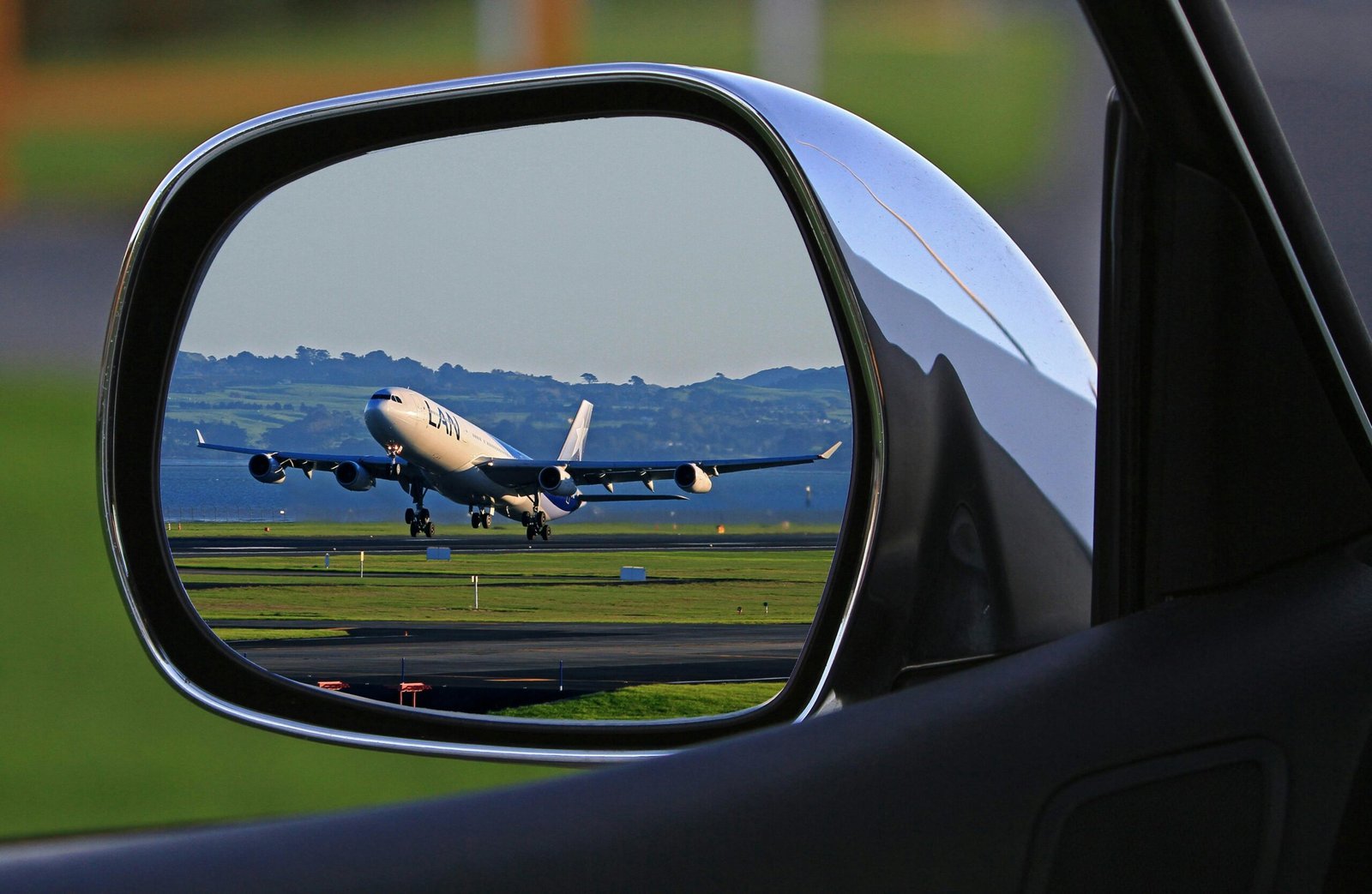
Surprisingly for some, flying is by far the safest mode of long-distance travel. Commercial aviation is subject to incredibly strict international regulations. In addition, aircraft technology is constantly advancing. Pilots also undergo rigorous and continuous training.
Because of these factors, the odds of being in an accident on a commercial flight are extremely low. The journey to the airport by car is often more dangerous than the flight itself. Therefore, you can feel very secure when you board a plane.
Rail Travel: A Reliable and Secure Option
Trains are another exceptionally safe way to travel. They run on dedicated tracks, which significantly reduces the chance of collision with other vehicles. Furthermore, modern rail systems use sophisticated signaling and traffic control systems.
Incidents are rare, and when they do occur, they are typically less severe than high-speed road accidents. As a result, traveling by train is a secure and often relaxing choice for both medium and long distances.
Road Travel: The Most Common, Yet Riskiest
Traveling by car, bus, or motorcycle is statistically the most dangerous option. The high number of variables on the road contributes to this risk. For instance, factors include human error, weather conditions, road quality, and the sheer volume of vehicles.
However, this does not mean you should avoid cars altogether. It simply means that you have more control over your own safety. For example, wearing a seatbelt, obeying speed limits, and avoiding distractions dramatically lowers your risk.
So, what is the safest way to travel for your specific journey?
While flying is statistically the safest, context is important. You cannot take a plane to the local grocery store. Consequently, the ‘safest’ way to travel depends on your specific needs and the distance you are covering.
For cross-country or international trips, flying is the clear winner. For regional travel between cities, a train is an excellent and safe alternative. For short daily commutes, driving is often the only practical option, and you can make it safer by following best practices.
Universal Safety Tips for Every Traveler
No matter how you choose to travel, personal vigilance is key. These simple habits can enhance your safety on any trip. We recommend that you always follow them.
- Stay Aware: Always be conscious of your surroundings and who is around you, especially in crowded terminals or stations.
- Secure Your Belongings: Keep your valuables out of sight and secured. This helps deter opportunistic theft.
- Share Your Itinerary: Before you leave, share your travel plans with a friend or family member. Consequently, someone always knows where you are supposed to be.
- Trust Your Instincts: If a situation feels unsafe, it probably is. Therefore, remove yourself from it as quickly as possible.
- Have Emergency Info: Keep a list of local emergency numbers and the address of your embassy or consulate handy.
In conclusion, while air travel holds the title for the statistically safest transport method, every journey’s safety is also in your hands. By choosing the right mode for your trip and staying vigilant, you can ensure a secure and enjoyable experience.