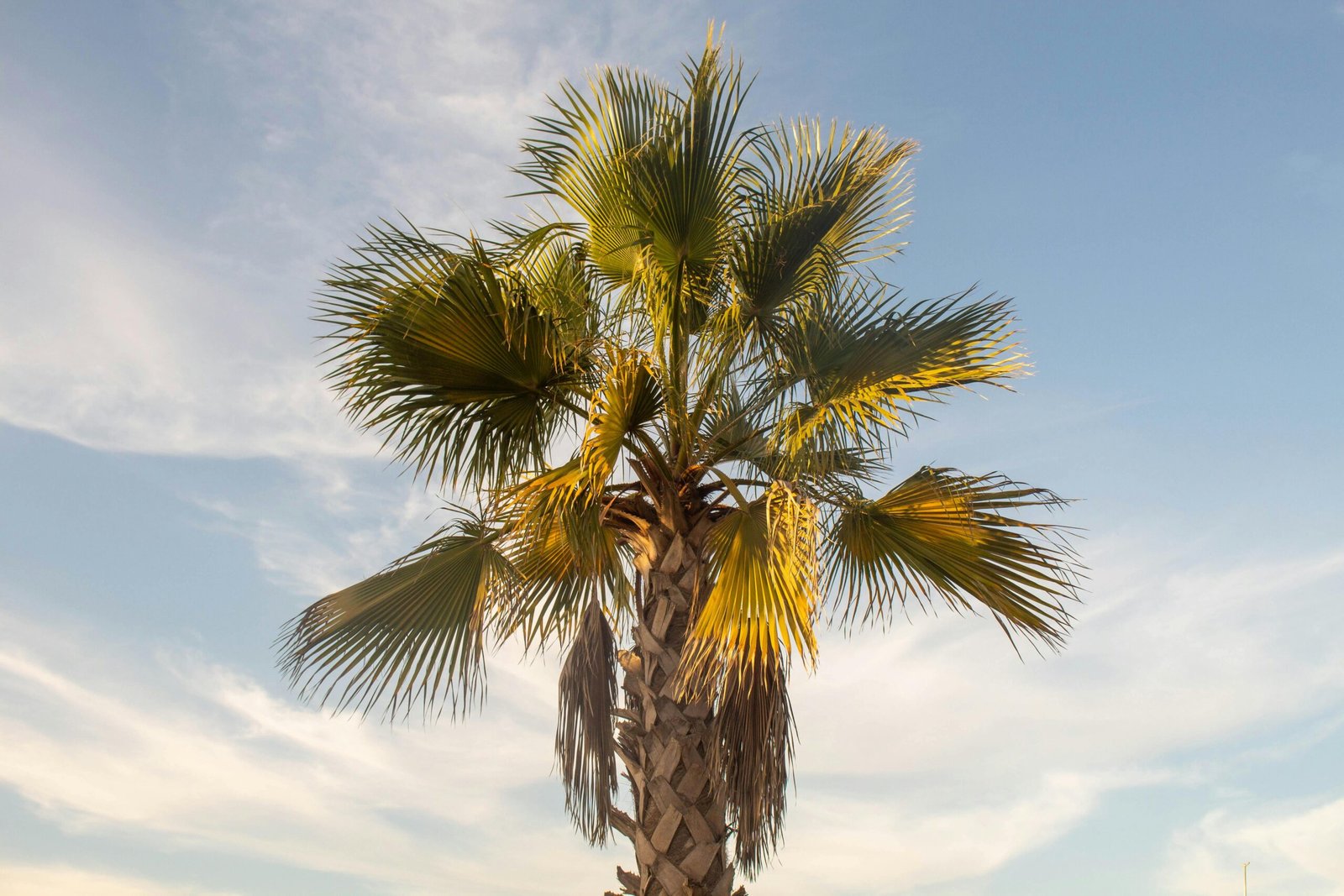
The travelers palm tree, or Ravenala madagascariensis, is a stunning plant that creates a bold tropical statement. Despite its name, it is not a true palm. Instead, it belongs to the bird-of-paradise family. This plant is famous for its massive, fan-like arrangement of leaves.
Its unique shape makes it a favorite for landscapers and indoor gardeners alike. Consequently, it brings a piece of the exotic to any space it occupies. This guide will walk you through everything you need to know.
What Exactly is a Travelers Palm Tree?
This magnificent plant originates from Madagascar. It is known for its paddle-shaped leaves that grow on long stems, all emerging from a central trunk. In addition, these leaves align in a single plane, creating a distinctive fan shape that is instantly recognizable.
While it can grow very large outdoors in tropical climates, it also adapts well as an indoor houseplant. However, it requires ample space to flourish. Proper care ensures its leaves remain vibrant and healthy.
Why Is It Called a Travelers Palm?
The name has a fascinating origin story. Legend says the plant’s leaf bases collect rainwater, which could provide emergency drinking water for thirsty travelers. Therefore, it became a symbol of survival and hospitality in the wild.
Furthermore, the fan of a travelers palm tree tends to grow in an east-west direction. This orientation can supposedly help travelers navigate. For these reasons, it earned its helpful and memorable name.
How to Care for Your Travelers Palm Tree
Caring for this plant is manageable if you provide the right conditions. It thrives with consistent attention to its basic needs. Below are the key areas to focus on for healthy growth.
Light Requirements
Your travelers palm needs bright light to thrive. It loves several hours of direct sunlight when grown outdoors. For indoor plants, a spot near a south-facing window is ideal. Without enough light, its growth may become slow and leggy.
Watering and Humidity
This plant prefers consistently moist soil, but not soggy conditions. You should water it thoroughly when the top inch of soil feels dry. In addition, reduce watering during the winter months. Because it’s a tropical plant, it also appreciates high humidity.
Soil and Fertilizer
Use a rich, well-draining potting mix. A mixture of peat, pine bark, and perlite works very well. Moreover, you can feed your travelers palm tree with a balanced liquid fertilizer every month during the spring and summer growing season.
Common Problems and Solutions
Even with good care, you might face a few issues. Being proactive is the best approach. Here are some common problems:
- Yellowing Leaves: This is often a sign of overwatering. Therefore, allow the soil to dry out more between waterings.
- Brown, Crispy Edges: This usually indicates low humidity or underwatering. You can increase humidity with a humidifier or by misting the leaves.
- Pests: Watch out for common pests like spider mites and mealybugs. If you spot them, treat the plant with insecticidal soap or neem oil immediately.
Where to Find a Travelers Palm Tree for Sale
You can find a travelers palm tree at various places. Large local garden centers and nurseries often carry them, especially in warmer climates. This allows you to inspect the plant before buying.
Alternatively, numerous online plant shops sell travelers palms. They can ship a young plant directly to your door. Buying a smaller plant is often more affordable and it will grow quickly with proper care, giving you a beautiful specimen in no time.