Have you ever wondered what it means for one traveling at the speed of flight? This poetic phrase captures the magic of modern aviation. Consequently, it sparks curiosity about how fast we truly move through the sky. This guide breaks down the concept, from commercial airliners to the legendary sound barrier. In short, we will explore the science and sensation of high-speed travel.
What Exactly Is the ‘Speed of Flight’?
The term “speed of flight” is not a single, fixed number. Instead, it refers to a range of velocities. For most people, it means the speed of a typical commercial airplane. However, for engineers and pilots, it often points to a much more significant benchmark: the speed of sound.
Therefore, understanding this concept requires looking at two different contexts. First, we have the everyday experience of passenger travel. Second, we have the high-performance world of military and experimental aircraft. Both are fascinating aspects of human flight.
The Science Behind One Traveling at the Speed of Flight
The most exciting interpretation of this phrase relates to breaking the sound barrier. This happens when an object travels faster than the speed of sound, which is roughly 767 miles per hour (1,234 km/h) at sea level. This specific speed is also known as Mach 1.
When a plane approaches Mach 1, air pressure waves build up in front of it. Consequently, breaking through this “wall” of pressure creates a shockwave. This shockwave is what we hear on the ground as a loud “sonic boom.” It is a powerful demonstration of physics in action.
Subsonic vs. Supersonic Flight
To better understand this, we can categorize flight speeds:
- Subsonic: This is flight slower than the speed of sound (below Mach 1). All commercial airliners fly at subsonic speeds. For example, they cruise comfortably without creating shockwaves.
- Transonic: This is the tricky range right around the speed of sound (Mach 0.8–1.2). Airflow around the plane is a mix of subsonic and supersonic.
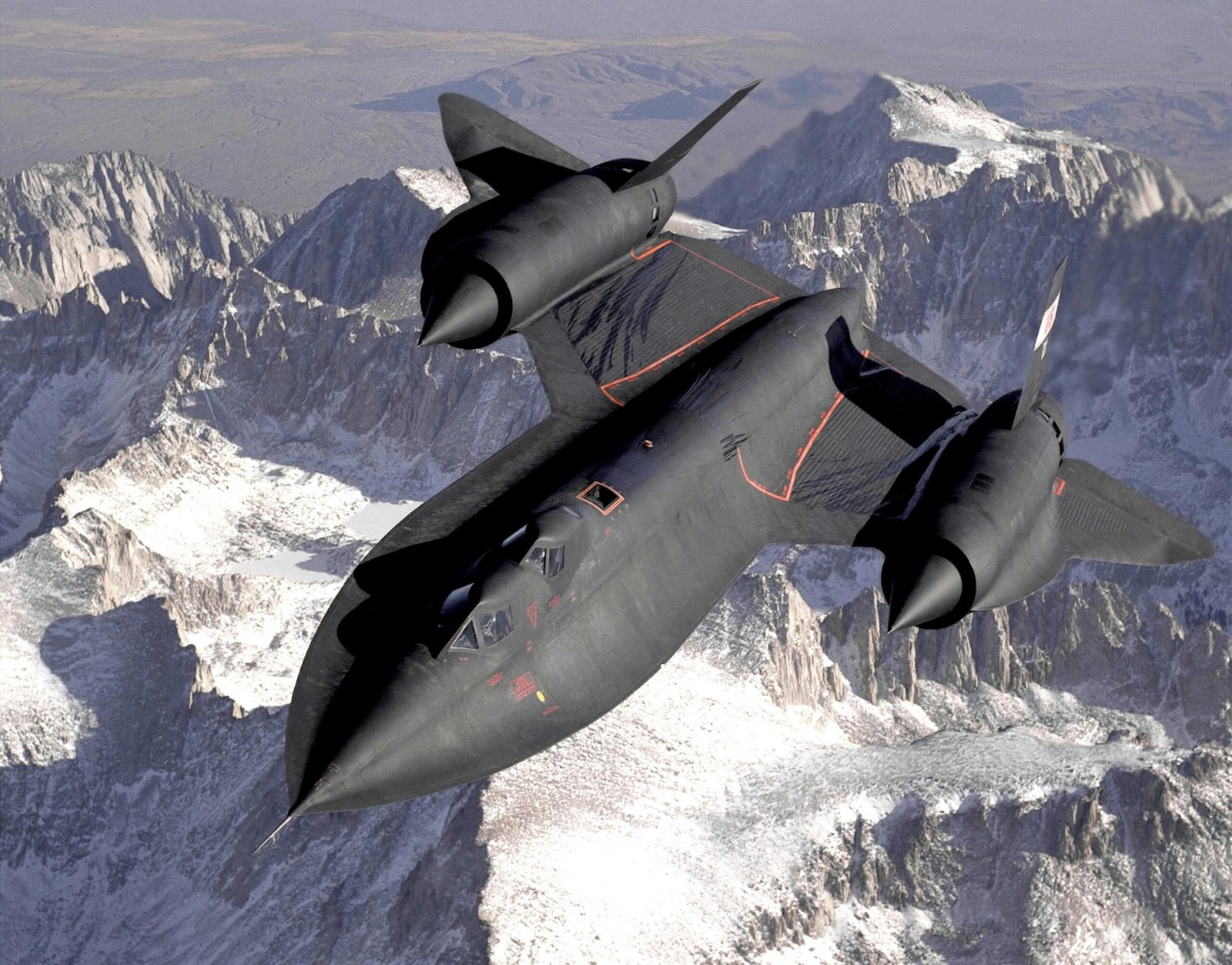
- Supersonic: This describes one traveling at the speed of flight beyond the sound barrier (above Mach 1). Only specialized aircraft, like fighter jets, can achieve this.
How Fast Do We Actually Fly?
While the idea of supersonic travel is thrilling, most of our air travel happens at more modest speeds. Let’s look at some real-world examples to put things into perspective.
Commercial Airliners
A typical Boeing 787 or Airbus A350 cruises at about 560 mph (900 km/h). This is approximately Mach 0.85. In addition, this speed provides an efficient balance between travel time and fuel consumption, making global travel possible for millions.
Military Jets
Fighter jets are built for performance. For instance, the F-22 Raptor can exceed Mach 2, which is more than twice the speed of sound. These speeds are necessary for combat and interception missions, showcasing the peak of aviation technology.
What Does It Feel Like to Travel at These Speeds?
For a passenger on a commercial flight, traveling at over 500 mph feels surprisingly calm. Because you are moving with the air inside the cabin, there is no sensation of speed. You can sip your drink as if you were sitting perfectly still.
However, for a pilot breaking the sound barrier, the experience is different. While the flight inside the cockpit remains smooth, they know they have just passed a major physical threshold. The resulting sonic boom is a clear sign of a plane flying faster than sound. In conclusion, the feeling depends entirely on your perspective.
Ultimately, the concept of one traveling at the speed of flight is both a technical reality and a source of wonder. It covers the steady pace of our global airliners and the incredible power of supersonic jets. So, the next time you look up at a plane, you’ll have a better appreciation for the amazing speeds it can achieve.