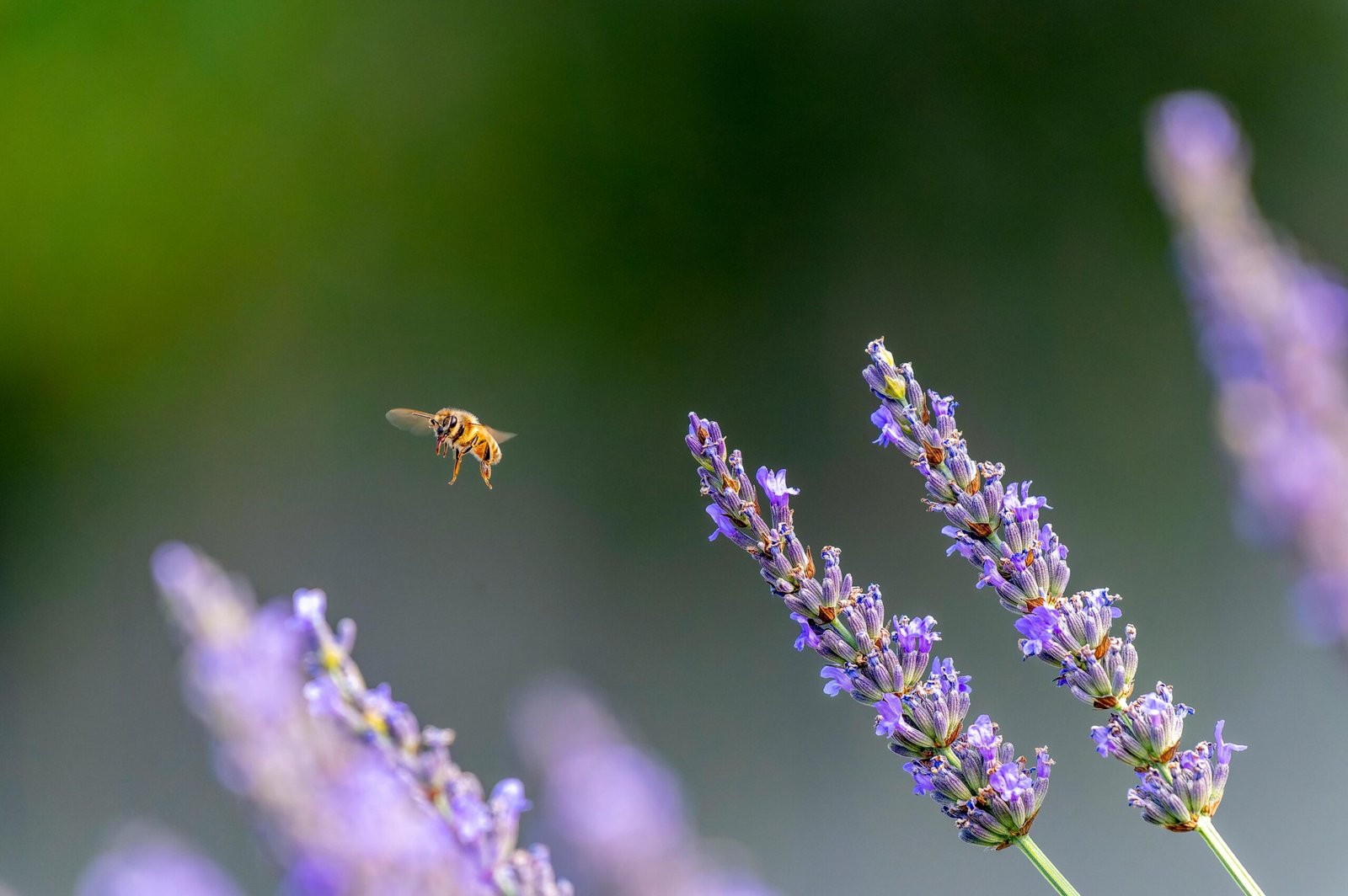
Have you ever watched a bee zip past and wondered where it’s going? The question of how far do bees travel from their hive is a fascinating one. While there isn’t a single answer, the distance varies greatly depending on the bee species, the availability of food, and even the weather. This guide will explore the incredible journeys these vital pollinators undertake every day.
The Average Foraging Distance of a Honeybee
For the common honeybee (Apis mellifera), the average foraging trip is typically within a 2-mile (about 3 km) radius of the hive. This is their sweet spot, where they can efficiently collect nectar and pollen without expending too much energy. Consequently, they focus their efforts within this range.
However, honeybees are remarkably resilient. If food sources are scarce nearby, they can and will travel much farther. For instance, some have been recorded flying up to 5 miles (8 km) away from their hive in search of a good meal. This extended travel, though, comes at a cost, as it uses up more energy and time.
How Far Do Different Bee Species Travel From Their Hive?
Not all bees are long-distance travelers. In fact, the foraging range can differ significantly between species. Understanding these differences is key to supporting all types of local pollinators.
Honeybees (Apis mellifera)
As mentioned, honeybees are the marathon flyers of the bee world. Their large colony size and efficient communication allow them to exploit resources over a wide area, typically covering a radius of 2 to 5 miles (3-8 km).
Bumblebees (Bombus)
Bumblebees generally have a smaller foraging range. Most species travel less than a mile (around 1-2 km) from their nest. Their furry bodies are less suited for long-distance flight compared to honeybees. However, some larger bumblebee species can push this limit if necessary.
Solitary Bees (e.g., Mason Bees)
Solitary bees, like Mason bees or Leafcutter bees, live a very different life. They don’t have a large colony to support them. Therefore, their flight range is much shorter, often limited to just 300 feet (about 100 meters) from their individual nests. This makes them highly localized pollinators.
Factors Influencing a Bee’s Travel Distance
A bee’s flight plan isn’t set in stone. Several external factors can influence how far it decides to travel on any given day. These elements are crucial for their survival and efficiency.
- Food Availability: This is the number one factor. When nectar and pollen are abundant nearby, bees have no reason to travel far. Conversely, in times of scarcity, they will push their limits to find resources.
- Weather Conditions: Bees are sensitive to the weather. Strong winds, heavy rain, or extreme temperatures can severely restrict their ability to fly. On such days, they will stay much closer to the safety of the hive.
- Hive Health and Size: A large, thriving colony has more foragers and can cover a larger area. In addition, healthy bees have more energy for longer flights.
- Landscape and Obstacles: The surrounding environment plays a big role. Natural and man-made obstacles like large hills, forests, or buildings can force bees to take longer, less direct routes to find flowers.
Why Does This Matter for Gardeners and Beekeepers?
Understanding bee travel distances is practical knowledge. For gardeners, it highlights the importance of planting a diverse range of flowers. If you want to attract smaller, solitary bees, you need to provide both food and nesting habitats in close proximity. A “bee hotel” is useless if the nearest flowers are too far away.
For beekeepers, this information is vital for hive placement. Placing a hive in an area with plentiful forage within a 2-mile radius ensures the colony will thrive without being overworked. Moreover, it helps in assessing the local environment for potential pesticides or competition from other hives.
Ultimately, knowing how far bees travel from their hive gives us a deeper appreciation for their daily work. By creating pollinator-friendly spaces, we help make their journeys shorter and their lives a little easier. Updated for 2025.