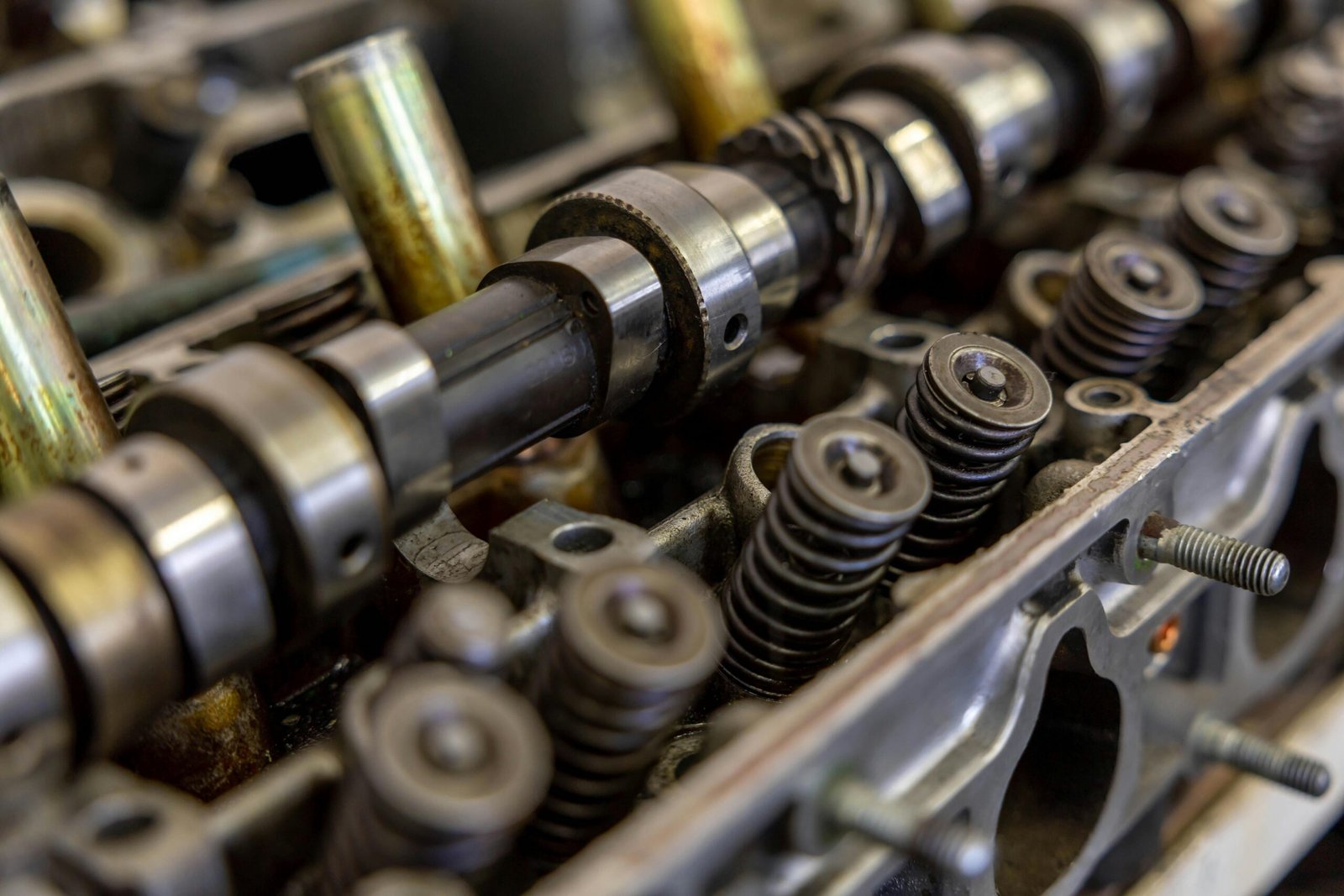
Understanding engine mechanics can feel complex, but some concepts are fundamental to performance. One of these is cam travel. In simple terms, cam travel refers to the total distance the valve lifter moves as it follows the profile of the camshaft lobe, from its base circle to the tip of its nose. Consequently, this movement directly dictates how far the engine’s valves open.
Think of a camshaft as the brain of the engine’s valve system. It has eccentric lobes, which are egg-shaped bumps. As the camshaft rotates, these lobes push on lifters or tappets. Therefore, the shape and height of these lobes determine the entire cam travel sequence.
What Exactly Is Cam Travel?
Cam travel is essentially the journey of the valve lifter. It begins when the lifter is resting on the lowest part of the cam lobe, known as the base circle. As the cam rotates, the lifter rises up the lobe’s ramp, reaching its highest point at the lobe’s nose. Finally, it travels back down the other side.
This entire distance, from the lowest point to the highest, is the cam travel. It is a critical measurement because it directly influences how much air-fuel mixture enters the cylinder and how much exhaust gas exits. In addition, proper travel ensures the engine breathes efficiently.
How Cam Travel Relates to Lift and Duration
People often use cam travel interchangeably with other terms. However, it’s important to know the difference between two key concepts: lift and duration. Both are results of the cam lobe’s design.
Valve Lift
Valve lift is the actual distance the valve opens into the cylinder. While cam travel initiates this action, the final lift can be different. For example, many engines use rocker arms that multiply the movement. A rocker arm with a 1.5:1 ratio will turn 10mm of cam travel into 15mm of valve lift. Therefore, more lift generally allows more airflow, which can create more power.
Camshaft Duration
Duration refers to how long the valve stays open. It is measured in degrees of crankshaft rotation. A cam with a longer duration will keep the valve open for a greater period. This helps at high RPMs but can make the engine run rough at idle. In contrast, a shorter duration provides a smoother idle and better low-end torque.
Why Is Understanding Cam Travel Important?
Knowing about cam travel is vital for anyone interested in engine tuning or performance. It fundamentally impacts several aspects of how an engine behaves. A camshaft with aggressive cam travel, for instance, can drastically change an engine’s personality.
Here are the primary effects:
- Engine Power: More travel generally leads to more valve lift. This allows the engine to take in more air and fuel, resulting in a more powerful combustion.
- Fuel Efficiency: A camshaft designed for efficiency will have a more moderate travel. This ensures complete combustion without wasting fuel.
- Idle Quality: Cams with very high travel and long duration can cause a rough idle. This is because valve overlap (when both intake and exhaust valves are slightly open) is increased.
Measuring Cam Travel: The Basics
Mechanics measure cam travel with a precision tool called a dial indicator. They place the indicator on the lifter and slowly rotate the engine by hand. The dial shows the exact movement of the lifter as it follows the cam lobe.
This measurement is crucial during engine building or when diagnosing performance issues. It ensures the camshaft is performing as designed and that there is no excessive wear on the components. However, this is typically a job for experienced technicians.
Key Takeaways
To summarize, cam travel is a foundational concept in engine operation. It’s not just a technical term; it’s the starting point for everything related to your engine’s breathing and, ultimately, its performance.
- Cam travel is the total distance a valve lifter moves.
- It directly influences valve lift and duration.
- It has a significant impact on power, efficiency, and idle quality.
- Properly matching cam travel to your engine’s purpose is key to performance tuning.