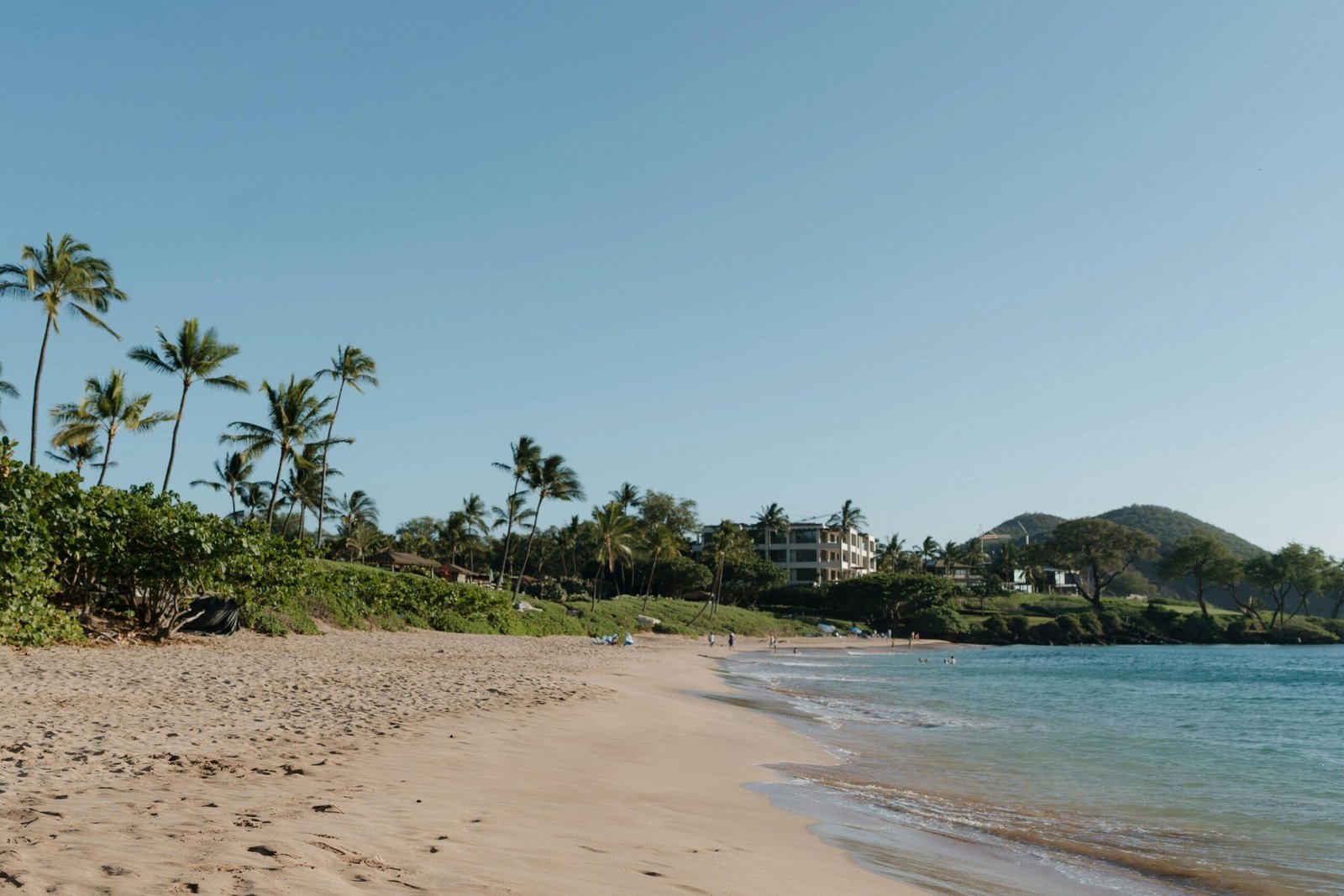
Figuring out the best time to travel to us virgin islands can make or break your Caribbean vacation. The right timing means perfect beach weather, fewer crowds, and better prices. Consequently, this guide will walk you through each season. We will help you choose the ideal time for your dream trip in 2025.
Understanding the US Virgin Islands’ Seasons
The US Virgin Islands enjoy a warm, tropical climate all year. However, the year is divided into two main seasons: the dry season and the wet season. Understanding these will help you plan effectively.
The Dry Season (Peak Season: December to March)
From December to March, the islands experience their peak tourist season. During this time, the weather is fantastic, with plenty of sunshine and minimal rain. As a result, this is the most popular time to visit. You should expect larger crowds and higher prices for flights and accommodations.
The Wet Season (Off-Peak Season: July to November)
The wet season runs from July to November. This period sees more rainfall and higher humidity. Importantly, it also coincides with the Atlantic hurricane season. While you can find great deals, you should also be mindful of the weather risks.
The Best Time to Travel to US Virgin Islands: A Seasonal Guide
Your ideal travel time depends on your priorities. Do you want perfect weather, lower costs, or fewer people? Let’s break down the options.
For the Best Balance: Shoulder Season (April to June)
For many travelers, the shoulder season from April to June is the absolute best time to visit. The peak season crowds have departed, yet the weather remains beautiful and sunny. Furthermore, the risk of hurricanes is very low during these months. It truly is the sweet spot.
- Pros: Excellent weather, fewer crowds, and lower prices than the peak season.
- Cons: A slight increase in rainfall towards the end of June.
For the Best Weather: Peak Season (December to March)
If your top priority is guaranteed sunshine and escaping winter cold, then the peak season is for you. The weather is consistently dry and pleasant. Therefore, it’s ideal for snorkeling, hiking, and relaxing on the beach.
- Pros: The best weather of the year with low humidity and rain. All attractions are open.
- Cons: The most expensive time to travel. Beaches and restaurants are crowded.
Cheapest Time to Visit the US Virgin Islands
If you are traveling on a tight budget, the cheapest time to visit is during the off-peak season. Specifically, from late August to early November, you will find the lowest prices on flights and hotels. Many resorts offer significant discounts during this period to attract visitors.
This is a great opportunity for budget-conscious travelers. However, you must be prepared for a higher chance of rain and be flexible with your plans.
When to Avoid Traveling to the US Virgin Islands
The main period to be cautious about is the peak of the hurricane season. This typically runs from late August through October. While a direct hit is rare, tropical storms can bring heavy rain and wind, disrupting travel plans. If you decide to travel during this time, we strongly recommend purchasing comprehensive travel insurance.
So, When Should You Book Your Trip?
In conclusion, the best time to travel to US Virgin Islands is during the shoulder season from April to June. You will get the best of both worlds: great weather and more affordable prices. However, if budget is your main concern, the late summer and fall can offer incredible deals, provided you monitor the weather.
Ultimately, the perfect time depends on your personal preferences. Now you have all the information to make the best choice for your unforgettable Caribbean adventure!