Deciding on the best time to travel to korea is the first step to an amazing trip. South Korea has four distinct seasons, each offering a unique experience. Consequently, your choice will shape your entire adventure. This guide will help you navigate the weather, festivals, and costs for each season in 2025.
Korea’s Four Seasons: A Quick Overview
South Korea’s climate is truly diverse. You can experience beautiful cherry blossoms in spring and then vibrant foliage in autumn. However, summer brings heat and humidity, while winter offers snow and cold temperatures. Because of this, knowing what to expect is key to a successful visit.
Spring (March to May): The Season of Blossoms
Why Visit in Spring?
Many people consider spring the absolute best time to visit. The weather is mild and pleasant, perfect for exploring cities like Seoul and Busan. Furthermore, the country bursts into color with cherry blossoms and other flowers. This makes it an incredibly picturesque season.
- Pleasant Weather: Temperatures are comfortable, ideal for sightseeing.
- Stunning Scenery: Witness the famous cherry blossoms in full bloom.
- Outdoor Festivals: Many local festivals celebrate the arrival of spring.
What to Consider
Because it’s such a beautiful season, spring is also peak tourist season. Therefore, you should expect larger crowds and higher prices for flights and accommodation. It’s essential to book everything well in advance.
Autumn (September to November): The Best Time to Travel to Korea?
Why Visit in Autumn?
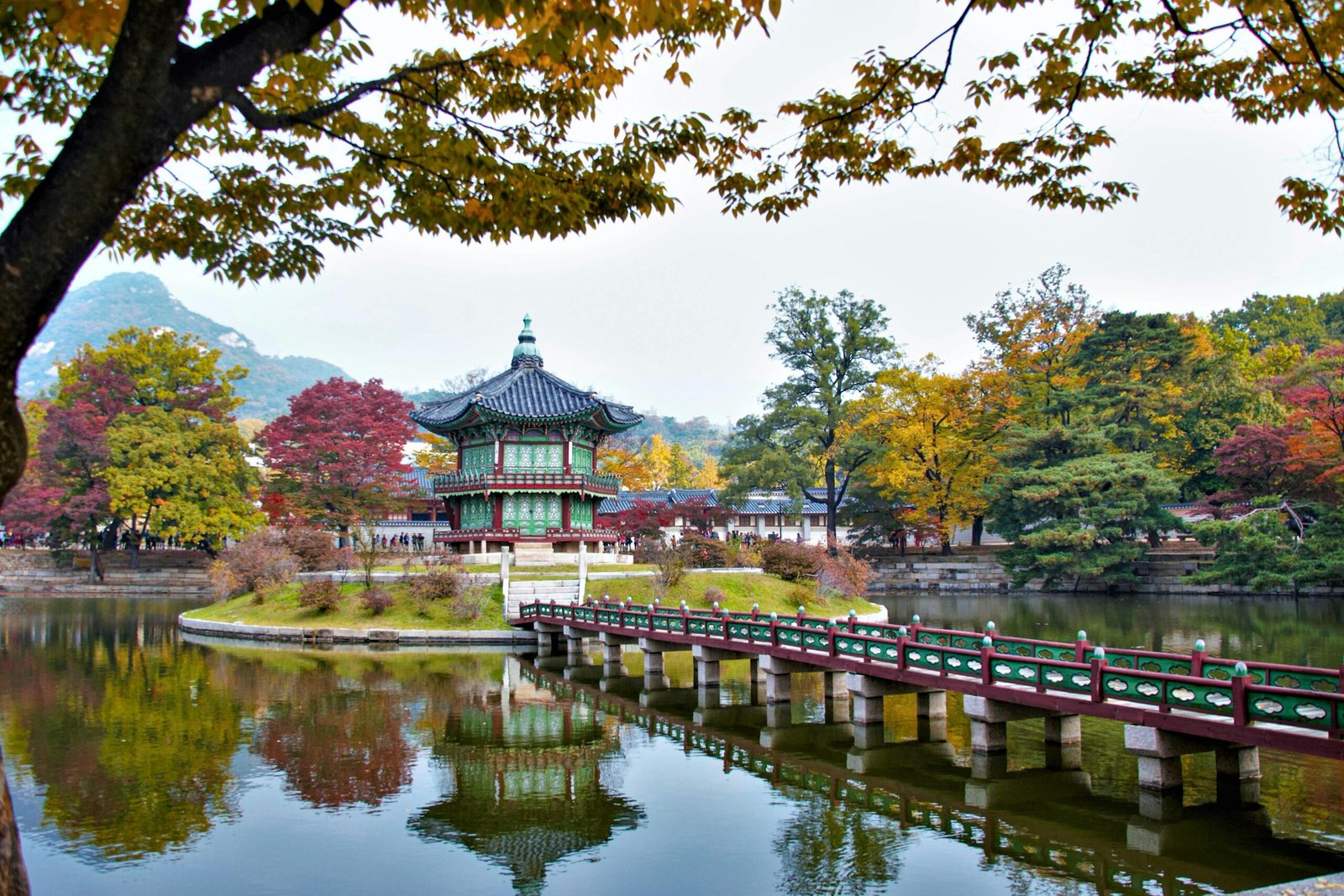
Autumn is another strong contender for the best time to travel to Korea. The typhoon season has passed, and the weather is crisp and clear. In addition, the country’s mountains and parks are covered in stunning shades of red, orange, and yellow. It’s a hiker’s paradise.
- Cool and Dry Climate: Enjoy comfortable days with low humidity.
- Vibrant Fall Foliage: The landscapes are breathtakingly beautiful.
- Harvest Season: You can taste delicious seasonal foods and attend harvest festivals.
What to Consider
Similar to spring, autumn is very popular with tourists. While prices might be slightly lower than in spring, it is still a busy period. We recommend planning your trip ahead of time to secure the best deals.
Summer (June to August): Hot, Humid, and Vibrant
Why Visit in Summer?
Summer in Korea is for those who don’t mind the heat. It’s a time of vibrant energy, with bustling beaches and lively music festivals. Moreover, you can enjoy Bingsu, a popular shaved ice dessert, to cool down.
What to Consider
Be prepared for high temperatures and humidity. The monsoon season, known as ‘jangma’, typically occurs in July, bringing heavy rain. Therefore, an umbrella and light clothing are must-haves for a summer trip.
Winter (December to February): A Snowy Wonderland
Why Visit in Winter?
If you love snow and winter sports, this is your season. You can go skiing or snowboarding at world-class resorts. Plus, cities are beautifully decorated for the holidays, creating a magical atmosphere. Tourist sites are also much less crowded.
What to Consider
Winter is cold, with temperatures often dropping below freezing. So, you must pack warm layers. While major cities are less crowded, ski resorts can be busy, especially on weekends.
When is the Cheapest Time to Visit Korea?
For budget-conscious travelers, the shoulder seasons offer a great balance. Specifically, late autumn (mid-November) and early spring (early March) are good choices. The coldest winter months (January and February) also see fewer tourists and, consequently, lower prices for flights and hotels, excluding ski resorts.
So, What’s the Verdict?
Ultimately, the best time to travel to Korea depends on you.
- For ideal weather and scenery: Choose spring (April-May) or autumn (September-October).
- For budget travel: Consider the winter months (January-February) or the edges of the shoulder seasons.
- For summer fun and festivals: Brave the heat in June and August.
No matter when you go, South Korea offers an unforgettable experience. Just plan accordingly, and you will have a wonderful journey.