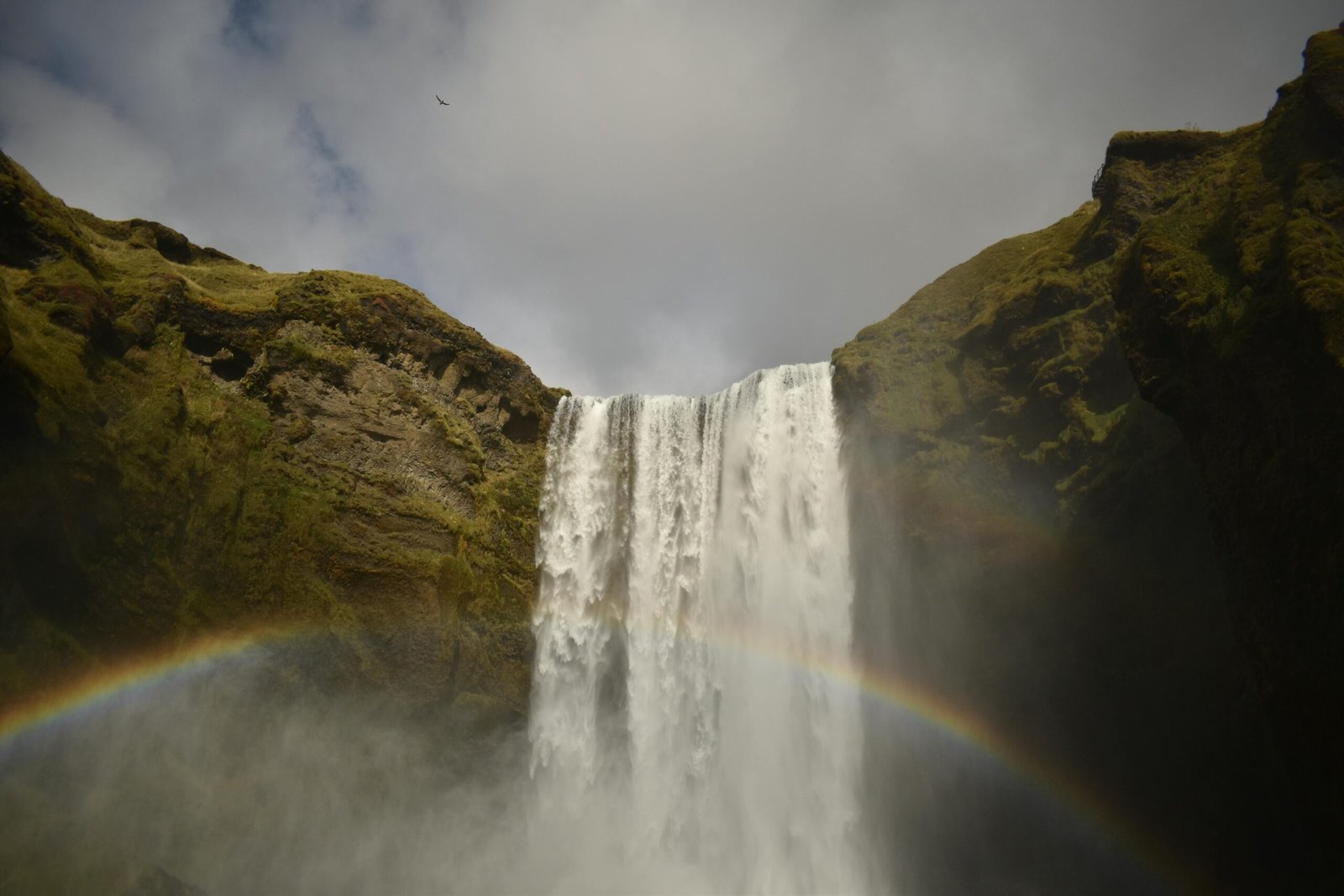
Planning a trip to the Land of Fire and Ice is incredibly exciting. However, the first question everyone asks is: what is the best time to travel to iceland? The answer truly depends on your goals. Iceland transforms dramatically with each season, offering unique experiences all year round. Consequently, this guide will help you decide the perfect time for your 2025 adventure.
Iceland’s Seasons: A Quick Overview
Unlike many destinations, Iceland has two main seasons: a bright, green summer and a dark, snowy winter. In between, you have the shoulder seasons of spring and autumn. Each period presents a completely different landscape. Therefore, your choice will shape your entire trip, from activities to your budget.
Summer (June – August): Midnight Sun and Puffins
Summer is Iceland’s most popular season, and for good reason. The weather is milder, and the days are incredibly long due to the Midnight Sun. This phenomenon gives you nearly 24 hours of daylight for exploring. Furthermore, all roads, including the F-roads to the highlands, are open, granting access to the entire country.
Pros and Cons of Summer Travel
- Pro: Experience the magical Midnight Sun.
- Pro: All roads and hiking trails are accessible.
- Pro: See puffins and migrating whales.
- Con: It’s the most crowded and expensive time.
- Con: You cannot see the Northern Lights.
Winter (November – March): Northern Lights and Ice Caves
Winter in Iceland is a magical wonderland. The main attraction, of course, is the Aurora Borealis, also known as the Northern Lights. The long, dark nights provide the perfect canvas for this celestial display. Additionally, this is the only time you can explore the stunningly blue natural ice caves. While temperatures drop and snow falls, many travelers find the frosty landscapes breathtaking.
Pros and Cons of Winter Travel
- Pro: Prime season for viewing the Northern Lights.
- Pro: Access to spectacular natural ice caves.
- Pro: Fewer crowds and generally lower prices.
- Con: Very short daylight hours for sightseeing.
- Con: Cold weather and potential for road closures due to storms.
Shoulder Seasons (April-May & September-October): The Sweet Spot
The shoulder seasons offer a fantastic compromise. You get the benefits of both summer and winter with fewer of the drawbacks. In spring (April-May), the snow melts, daylight hours increase, and puffins begin to return. In autumn (September-October), you can enjoy beautiful fall colors and the first chances to see the Northern Lights. Importantly, prices for flights and accommodation are significantly lower than in summer.
So, What is the Best Time to Travel to Iceland for You?
Ultimately, the best time to visit Iceland is a personal choice. You must consider your priorities. If you dream of endless days, hiking in lush green landscapes, and seeing puffins, then summer is your ideal season. On the other hand, if your heart is set on the Northern Lights and glittering ice caves, winter is the only option. For a balanced trip with fewer crowds and lower costs, the shoulder seasons are an excellent choice. No matter when you go, Iceland will undoubtedly leave you speechless.